Exploring Modern Culture: The Ultimate School Podcast

Hit play. That tiny gesture is all it takes for a school podcast to turn a bland corridor walk into an impromptu voyage through art, memes, music, movies, and the shifting codes that knit them together. Podcasts have become the new lockers of modern entertainment—private, portable spaces where students stash jokes, discoveries, and half-formed theories about the world. Slip on a pair of earbuds and suddenly the lunchroom chatter is replaced by a round-table on Afrofuturism, or a spirited debate over whether TikTok dances belong in the same cultural archive as classic ballet. A good podcast doesn’t just speak; it hands you the mic, coaxing you to think, respond, remix.
What separates “just another audio show” from the ultimate school podcast is its agility. In the same forty-minute episode that teachers once devoted to diagramming sentences, hosts can jump from K-pop’s global takeover to the resurgence of vinyl records. Modern culture moves fast—swiping, streaming, spilling across timelines—and students feel the pace in their thumbs and in their pulse. They crave media that mirrors that speed without sacrificing depth. A podcast makes room for both: a quick riff on the latest superhero multiverse saga, followed by a reflective pause on why hero narratives keep returning in times of social upheaval.
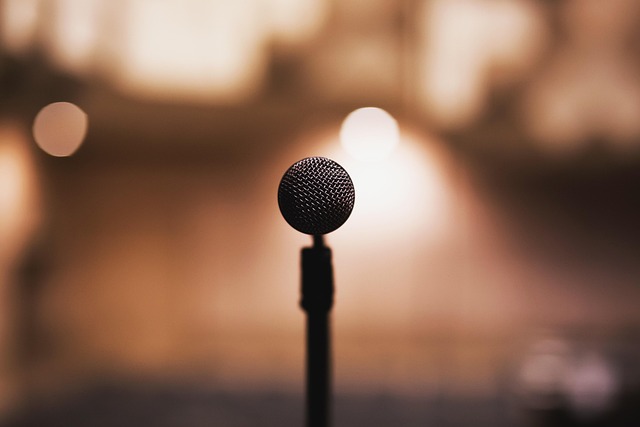
Within the Podcast landscape, the campus microphone has an edge: proximity. Where else can you overhear the art teacher gush about street murals, the robotics captain defend anime plot twists, or the exchange student decode slang from three countries? The chemistry of voices, accents, and opinions builds an audible map of global culture, right from the school parking lot. Listeners don’t merely consume modern entertainment; they dismantle it, repurpose it, and build new stories—like turning a cafeteria table into a soundstage for a live episode.
There’s subversion in the simplicity. Traditional classrooms often separate “high” and “low” culture, but the school podcast stitches them together without apology. Shakespeare can share airtime with Beyoncé; vintage arcade games can sit beside AI-generated art. Each topic becomes a thread, braided by student hosts into narratives that reflect their hybrid identities. The result is on-demand, peer-made anthropology: proof that culture isn’t an ivory-tower artifact but a breathing ecosystem anyone can edit.
Of course, the medium’s intimacy brings responsibility. A whispered joke can travel farther than a shouted lecture. Dialogues about representation, mental health, or political satire require the same care as lab experiments. Yet that responsibility empowers students. By researching, fact-checking, and citing sources on air, they learn to treat culture like a living text—annotated in real time, accessible to every listener who might press rewind.
When the final bell rings, earbuds stay in. Homework tonight might be geometry, but first there’s a new drop from the campus studio: an interview with the drama club on gender-bent casting, plus a mini-mix of underground EDM curated by the Spanish class. Entertainment morphs into education, culture becomes conversation, and the school podcast remains the quiet revolution happening between chemistry lab and the soccer field. Hit play, and watch modern culture unfold, one episode at a time.