Karaoke Ticket Prices Show How Modern Culture Shapes Entertainment

In recent years, the humble karaoke bar has evolved from a casual night out to a curated cultural experience. One of the most visible indicators of this transformation is the changing ticket price for a night of singing. While the idea of paying for a song might seem archaic, the way that price is structured now reflects broader shifts in how we consume entertainment, how technology reshapes venues, and how cultural values are monetized.
From Free Nights to Premium Packages
Historically, many karaoke venues offered free access to a certain number of songs per hour, with patrons paying only for drinks. This model, rooted in the late 1990s, relied on a steady flow of beverage sales to cover overhead costs. Over the past decade, however, a steady climb in ticket price has emerged. Instead of a simple hourly rate, many establishments now offer tiered packages: basic access, plus a selection of popular hits, or a full suite that includes custom playlists, backstage meet‑and‑greet opportunities, and complimentary beverages.
- Basic access: $8–$12 for a 45‑minute session
- Mid‑tier package: $20–$25 for a two‑hour session with drinks
- Premium package: $35–$50 for a three‑hour gala night, including a meet‑and‑greet with local musicians
What Drives the Rise in Ticket Price?
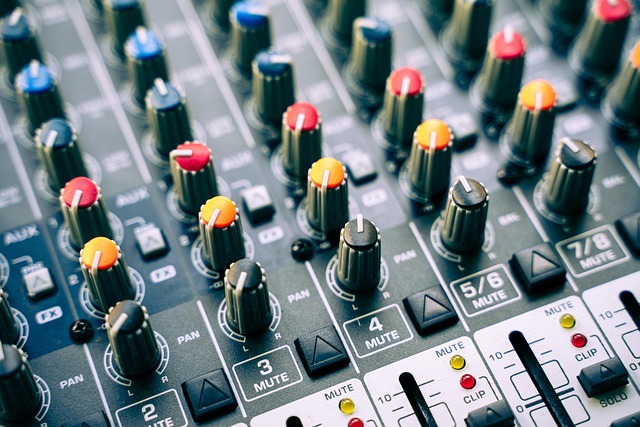
The primary catalyst for the increase in karaoke ticket price is the integration of technology. High‑resolution sound systems, touch‑screen interfaces, and sophisticated lighting rigs that transform an ordinary bar into a stage are expensive to install and maintain. Furthermore, venues are now offering “smart” experiences, such as live streaming options for friends who cannot attend, or the ability to record and share performances directly from the karaoke machine. Each added feature pushes the cost upward.
“We invest in state‑of‑the‑art audio and video technology because it gives patrons a reason to pay more,” notes a manager of a downtown karaoke hub.
Cultural Shifts and the Value of Performance
The way people view karaoke has changed dramatically. No longer merely a pastime for late‑night revelers, karaoke has become a form of personal expression, a stage for social media content creators, and a venue where community identity is celebrated. As a result, patrons are willing to pay a higher ticket price for the opportunity to showcase themselves to a broader audience. This willingness is driven by the social validation that comes from a well‑recorded performance, which can translate into digital likes and follower growth.
The Rise of “Social Karaoke” Events
Social karaoke nights, often themed around specific decades or genres, are designed to attract niche audiences. These events feature curated playlists, costumed staff, and interactive elements such as audience voting for the best performance. Because of the specialized nature of these events, the ticket price is typically 30–50% higher than a standard night. The premium is justified by the immersive experience and the sense of belonging it fosters among participants.
- Decade-themed nights (e.g., 80s, 90s) with era‑specific decor
- Live DJ overlays that sync with the karaoke tracks
- Post‑night social media packages that include professionally edited clips
Technology’s Impact on Venue Economics
While the initial cost of implementing advanced karaoke systems can be substantial, the long‑term economic benefits are significant. Features such as automated song selection, real‑time lyric scrolling, and AI‑powered voice coaching not only enhance the user experience but also reduce staff workload. By streamlining operations, venues can keep their overall ticket price more competitive while maintaining high service quality.
Mobile Integration and Subscription Models
Mobile apps now allow patrons to book rooms, purchase virtual tickets, and receive discounts based on loyalty. Some karaoke chains have introduced subscription models where customers pay a monthly fee for unlimited access. These models alter the traditional ticket price structure, offering a more predictable revenue stream for operators and a perceived value for frequent customers.
Global Variations in Karaoke Pricing
While the United States and Canada have seen a steady rise in ticket price due to technology and premium experiences, the pricing landscape in Asia presents a contrasting picture. In Japan, where karaoke is deeply ingrained in the culture, ticket price remains relatively low, often subsidized by corporate sponsorships and high patron turnover. Conversely, in Europe, the trend leans toward boutique karaoke bars that emphasize artisanal service, driving up prices but also catering to niche markets.
Case Studies
Consider a high‑end karaoke lounge in Tokyo that charges a flat fee of $12 per person, while a New York boutique offers a curated experience at $45. The disparity illustrates how cultural expectations, cost of living, and perceived value dictate pricing strategies. Yet, both venues highlight a universal shift: the ticket price is less about the song itself and more about the entire atmosphere surrounding it.
Future Trends: Sustainability and Accessibility
Looking ahead, several trends may shape how ticket price evolves. First, sustainability concerns are prompting venues to adopt energy‑efficient systems, which could reduce operating costs and lower the final price for patrons. Second, accessibility features—such as sign‑language interpreters and adaptive lighting—may become standard, potentially increasing initial investment but broadening the customer base. Third, the rise of virtual reality karaoke could redefine the experience entirely, with a new pricing model based on digital ownership rather than physical attendance.
Balancing Profitability with Community Engagement
Ultimately, the success of karaoke venues hinges on balancing profitability with community engagement. A modestly priced ticket price can attract casual visitors, while premium packages can capture the hearts of enthusiasts. By listening to consumer preferences and embracing new technologies, venues can create a sustainable business model that respects both the art form and the audience.
Conclusion
The evolution of karaoke ticket price mirrors the broader changes in modern entertainment and cultural consumption. From free, spontaneous nights to curated, technology‑rich experiences, pricing reflects not just cost but the value placed on performance, community, and innovation. As society continues to merge the digital and physical realms, karaoke will remain a barometer of how culture shapes, and is shaped by, the price people are willing to pay for a moment of shared joy.